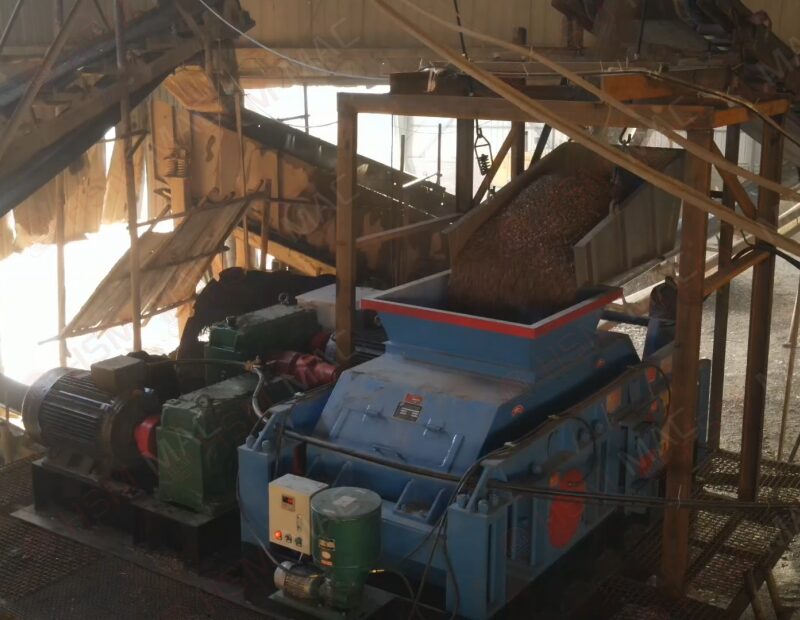
In mining and sand production, the crusher is the first critical step in the entire production process and the core equipment that determines whether the production line can operate properly. Many customers ask: “Can’t run-of-mine stone be used directly?” “Why is crushing necessary?” The answer is: Run-of-mine stone is a resource, but only through crushing can it be transformed into a product, and products generate profit. Below, we answer common questions about the necessity of crushers from multiple perspectives.
Q1: Why can’t run-of-mine stone be used directly?
Run-of-mine stone varies greatly in size—from several tons to sand-sized particles—with irregular shapes and high clay content. Such material cannot be used in concrete, road filling, or high-standard projects like railways and bridges. Even for lower-standard applications, uncrushed stone offers poor compaction and stability. Simply put, run-of-mine stone has no market value without processing.
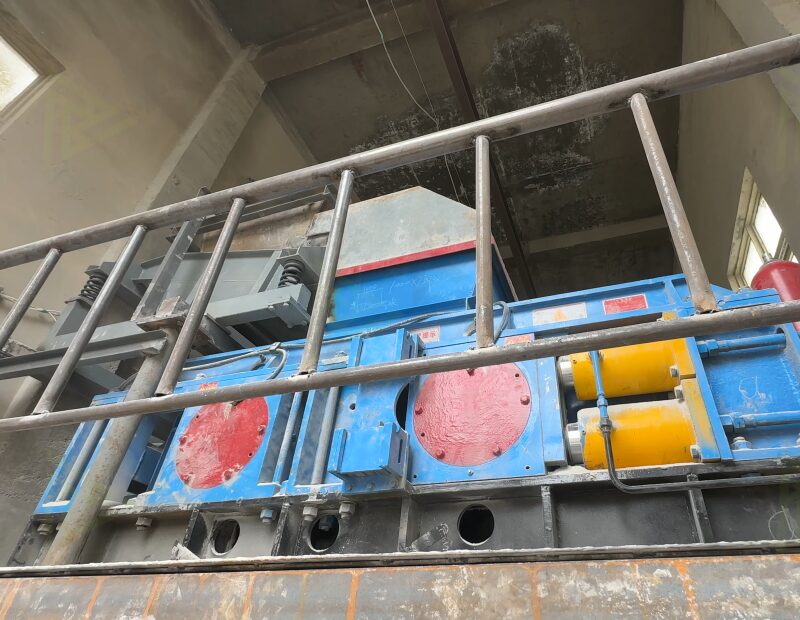
Crusher
Q2: What role does a crusher play in the production process?
A2: The crusher’s core function is “processing large run-of-mine stone into finished aggregates that meet specifications.” Specifically:
Particle size control: Reduces large rocks from tens of centimeters or even meters down to finished sizes of a few centimeters or millimeters.
Particle shaping: Improves aggregate shape through layer-compression, reducing flaky and elongated particles and increasing bulk density.
Mineral liberation: For metal ores, crushing is the first step in separating valuable metals from gangue, directly affecting subsequent recovery rates.
Without a crusher, the entire sand and aggregate production chain cannot operate, and run-of-mine stone remains “waste rock.”
Q3: Can we use only a screening machine without a crusher?
A3: No. The function of a screening machine is classification, not crushing. It can only separate materials by size; it cannot change particle size. Screening machines cannot alter material particle size, and oversized run-of-mine stone remains unusable even after screening.
Crushing and screening are inseparable complementary processes: crushing handles “particle formation,” and screening handles “classification.” Only when both work together can finished aggregates meeting specifications be produced. Screening without crushing equals no processing at all.
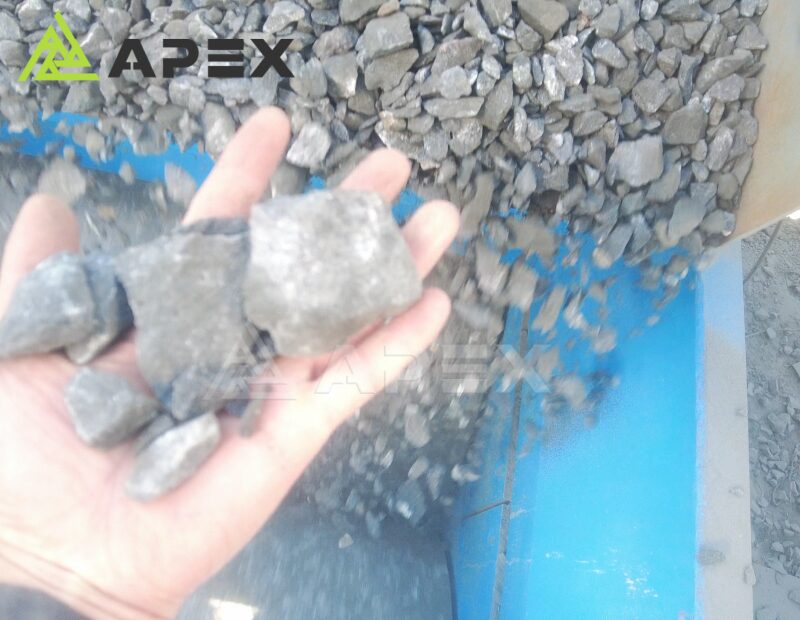
Crusher in Operation
Q4: Can manual breaking or simple equipment replace a professional crusher?
A4: No. Manual breaking or simple crushing methods have the following fatal drawbacks:
Extremely low efficiency: Manual breaking produces only a few tons per day, while even a small production line can process tens of tons per hour. The capacity gap is enormous.
No particle size control: Materials broken manually vary in size and cannot meet any engineering standards.
Higher overall cost: Labor costs, time costs, and material losses add up, making the total cost far higher than mechanical crushing.
Major safety hazards: Manual rock breaking is a high-risk operation with no safety guarantees.
Professional crushers enable automated, continuous, and large-scale production—something no manual or simple method can replace.
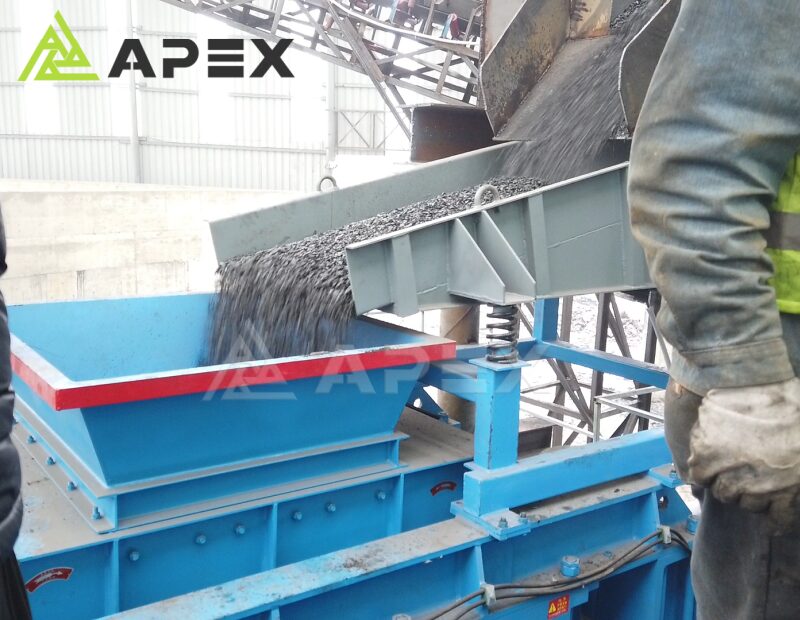
Crusher in Operation
Q5: Can uncrushed stone be used directly for roadbed filling?
A5: No. Roadbed filling has strict requirements for particle size and grading. Using uncrushed large stones directly for filling leads to:
Excessive void ratio, leaving large gaps after compaction and insufficient bearing capacity.
Uneven settlement, with uneven distribution of large stones and fine materials, leading to road surface cracking.
Failure to meet design specifications, as highways, railways, and other projects have strict fill material standards. Uncrushed stone cannot pass inspection.
Fill material for roadbeds must also be crushed to the required particle size before use.
Summary: The Crusher is the Core Equipment in Mining Production
Run-of-mine stone must be crushed to transform from a resource into a product and from a product into profit. Crushers are indispensable core equipment in the production of construction aggregates, manufactured sand, and metal ore beneficiation. Choosing the right crusher that matches your material characteristics and capacity requirements is the first step toward successful mining project operation. For selection advice or equipment solutions, please contact Hua Sheng Ming. We will provide professional recommendations based on your material and production needs.